Allergies in Children
Allergies in children can affect the nose, throat, eyes, skin and sometimes the lower airways. Common triggers include dust mites, pollen, pet dander and other environmental allergens. Persistent allergy symptoms may interfere with sleep, school activities and overall comfort. An ENT evaluation can help identify the likely triggers and guide appropriate management.
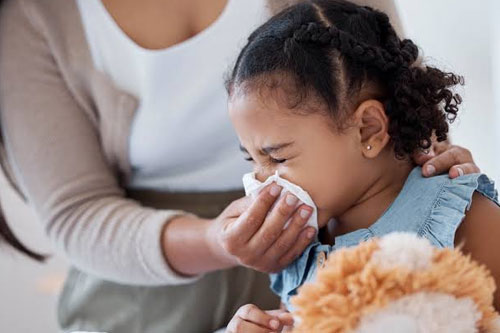
Common Symptoms
Allergy symptoms can vary from child to child and may be occasional or persistent depending on the trigger and level of exposure.
- Frequent sneezing, runny nose or nasal congestion
- Itchy or watery eyes
- Postnasal drip, throat irritation or frequent throat clearing
- Recurring symptoms after exposure to specific allergens
Causes & Evaluation
Children's allergies may develop in response to environmental or seasonal allergens. A detailed history and clinical examination can help identify patterns and possible triggers. Allergy testing may be considered when it is appropriate and clinically useful.
- Dust mites, pollen and other environmental allergens
- Pet dander and indoor allergens
- Seasonal changes and outdoor exposure
- Clinical assessment and allergy testing when indicated
Management & Treatment Planning
Management is based on the child's symptoms, possible triggers and clinical findings. It may include reducing exposure to identified allergens, appropriate treatment for nasal or eye symptoms and regular follow-up when required. An individualized management plan can help control symptoms and improve the child's day-to-day comfort.