Snoring Evaluation
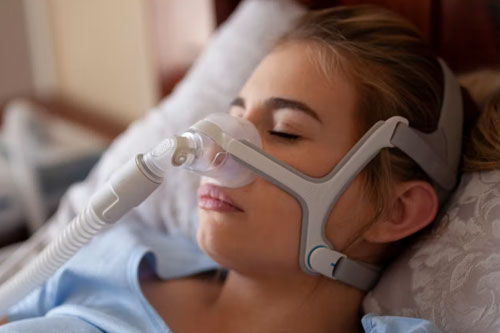
Snoring is a common sleep-related problem caused by vibration of the tissues in the upper airway during sleep. Occasional snoring may be harmless, but loud, frequent or worsening snoring can sometimes be associated with nasal blockage, mouth breathing or sleep-related breathing disorders. A detailed ENT evaluation helps identify possible contributing factors and determine whether further assessment is needed.
Common Symptoms
Snoring can occur on its own or along with other sleep-related symptoms. Persistent symptoms may affect sleep quality and daytime well-being.
- Loud or frequent snoring during sleep
- Dry mouth or throat irritation after waking
- Restless or disturbed sleep
- Daytime tiredness or poor concentration
Causes & Evaluation
Snoring may be associated with nasal obstruction, enlarged tonsils, mouth breathing, changes in the upper airway or other factors that narrow the airway during sleep. An ENT assessment helps examine the nose, throat and upper airway to identify possible causes and determine whether additional sleep-related evaluation is appropriate.
- Assessment of the nose, throat and upper airway
- Evaluation of nasal blockage and mouth breathing
- Assessment of tonsils and other anatomical factors
- Review of sleep-related symptoms and breathing concerns
Management & Treatment Planning
Management depends on the underlying cause and severity of snoring. Treatment may include addressing nasal obstruction, improving sleep-related habits, managing contributing ENT conditions and recommending further sleep evaluation when required. A personalized treatment plan is developed based on the clinical findings and individual symptoms.