ENT Evaluation for Suspected Obstructive Sleep Apnea
Obstructive sleep apnea (OSA) is a sleep-related breathing disorder in which the upper airway becomes repeatedly narrowed or blocked during sleep. Loud snoring, witnessed breathing pauses, restless sleep and daytime tiredness may be warning signs. An ENT evaluation helps assess the nose, throat and upper airway for factors that may contribute to obstructed breathing during sleep.
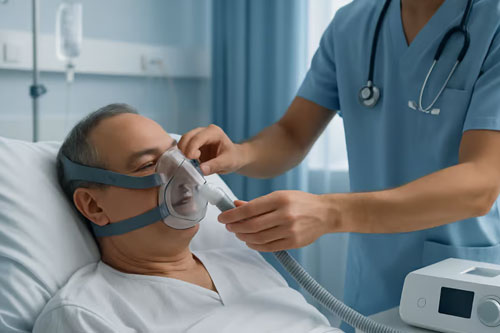
Common Warning Signs
Sleep apnea may not always be noticed by the person experiencing it. Symptoms during sleep and daytime changes can provide important clues that further evaluation may be needed.
- Loud, persistent or disruptive snoring
- Observed pauses or changes in breathing during sleep
- Gasping, choking or restless sleep
- Excessive daytime sleepiness or morning headaches
ENT Evaluation & Assessment
An ENT assessment focuses on identifying possible anatomical or functional factors that may contribute to upper airway obstruction. The nose, throat and related airway structures are evaluated, along with the patient's sleep-related symptoms and medical history.
- Assessment of nasal obstruction and nasal breathing
- Examination of the throat, tonsils and upper airway
- Evaluation of mouth breathing and persistent snoring
- Assessment of symptoms that may suggest obstructive sleep apnea
Management & Further Evaluation
If obstructive sleep apnea is suspected, a sleep study may be recommended to confirm the diagnosis and assess its severity. Management depends on the underlying cause and may include treatment of nasal or throat conditions, lifestyle measures and appropriate sleep-related therapy. A personalized plan is developed based on the clinical findings and, when required, sleep study results.