Snoring and Sleep-Related ENT Problems
Snoring and sleep-related breathing problems can occur in children due to enlarged adenoids or tonsils, nasal blockage, allergies or other conditions affecting the upper airway. Persistent snoring should not always be considered normal, particularly when it is associated with restless sleep or breathing difficulties. An ENT evaluation can help identify the possible cause and guide further management.
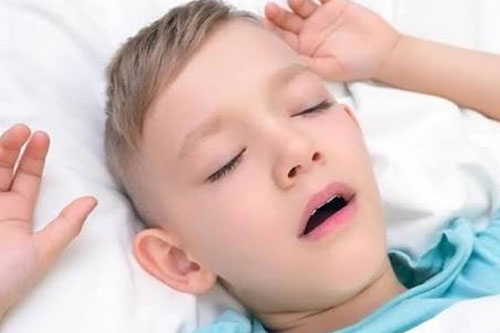
Common Symptoms
Sleep-related ENT problems may affect the quality of a child's sleep and can sometimes be noticed through changes in nighttime breathing or daytime behaviour.
- Frequent or loud snoring during sleep
- Mouth breathing and nasal obstruction at night
- Restless sleep, frequent waking or unusual sleeping positions
- Daytime tiredness, irritability or difficulty concentrating
Causes & Evaluation
Snoring in children may be associated with enlarged adenoids or tonsils, nasal congestion, allergies or other factors affecting the upper airway. A detailed ENT assessment helps evaluate the child's symptoms and identify possible contributing factors.
- Enlarged adenoids or tonsils
- Nasal blockage or allergic nasal symptoms
- Persistent mouth breathing during sleep
- Assessment of sleep-related breathing symptoms when indicated
Management & Treatment Planning
Management depends on the underlying cause and the severity of sleep-related symptoms. Treatment may include addressing nasal allergies or congestion, monitoring enlarged adenoids or tonsils, and further ENT evaluation when required. If obstructive sleep apnea is suspected, a sleep study or additional assessment may be recommended based on the child's symptoms.