Deviated Nasal Septum
A deviated nasal septum occurs when the wall separating the two nasal passages is displaced or uneven. This can narrow one side of the nose and make nasal breathing difficult. It may be present naturally or develop following an injury to the nose.
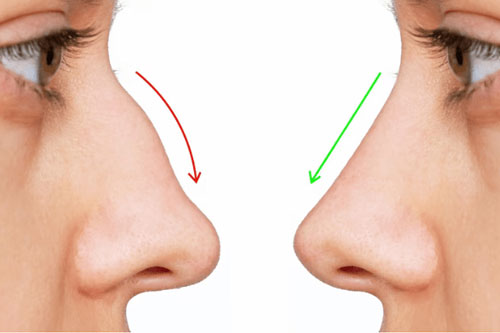
Common Symptoms
Some people with a deviated septum may have no symptoms, while others can experience persistent nasal breathing difficulties.
- Difficulty breathing through one or both sides of the nose
- Persistent or recurrent nasal congestion
- Mouth breathing, particularly during sleep
- Snoring, nasal discomfort or reduced sense of smell
Possible Causes & Associated Problems
A deviated septum may be present from birth or can develop after an injury. In some cases, it may contribute to recurring nasal or sinus symptoms.
- Natural variation in the shape of the nasal septum
- Previous nose injury or trauma
- Difficulty with comfortable nasal breathing
- Recurrent nasal congestion or sinus-related symptoms
Diagnosis & Management
An ENT examination helps assess the nasal passages and determine whether septal deviation is contributing to breathing difficulties. Management depends on the severity of symptoms and may include medication or nasal care when appropriate. In patients with significant structural blockage, further evaluation for corrective treatment may be recommended.