Tonsillitis and Enlarged Tonsils
Tonsillitis refers to inflammation or infection of the tonsils and is common in children. Enlarged tonsils may occur with repeated infections or may remain enlarged even when there is no active infection. Depending on the symptoms and their impact on the child's health, an ENT evaluation can help determine the appropriate management.
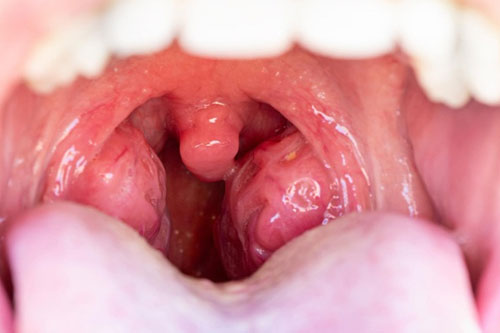
Common Symptoms
Children with tonsillitis or significantly enlarged tonsils may experience symptoms that affect eating, sleeping, breathing or everyday comfort.
- Sore throat, throat pain or difficulty swallowing
- Fever, swollen tonsils or enlarged neck glands
- Snoring, restless sleep or mouth breathing
- Changes in voice or difficulty eating in some cases
Causes & Evaluation
Tonsillitis may be caused by viral or bacterial infections, while enlarged tonsils can persist after repeated infections or as part of a child's normal lymphoid tissue growth. An ENT assessment helps determine the cause and severity of the problem.
- Recurrent throat or tonsil infections
- Persistently enlarged tonsils
- Associated snoring or sleep-related breathing concerns
- Throat and tonsil examination based on the child's symptoms
Management & Treatment Planning
Management depends on the child's symptoms, frequency of infections, tonsil size and effect on sleep, breathing or swallowing. Depending on the clinical findings, treatment may include supportive care and appropriate medicines for infections. Children with recurrent or significant tonsil-related problems may require further ENT evaluation and discussion of additional treatment options when appropriate.